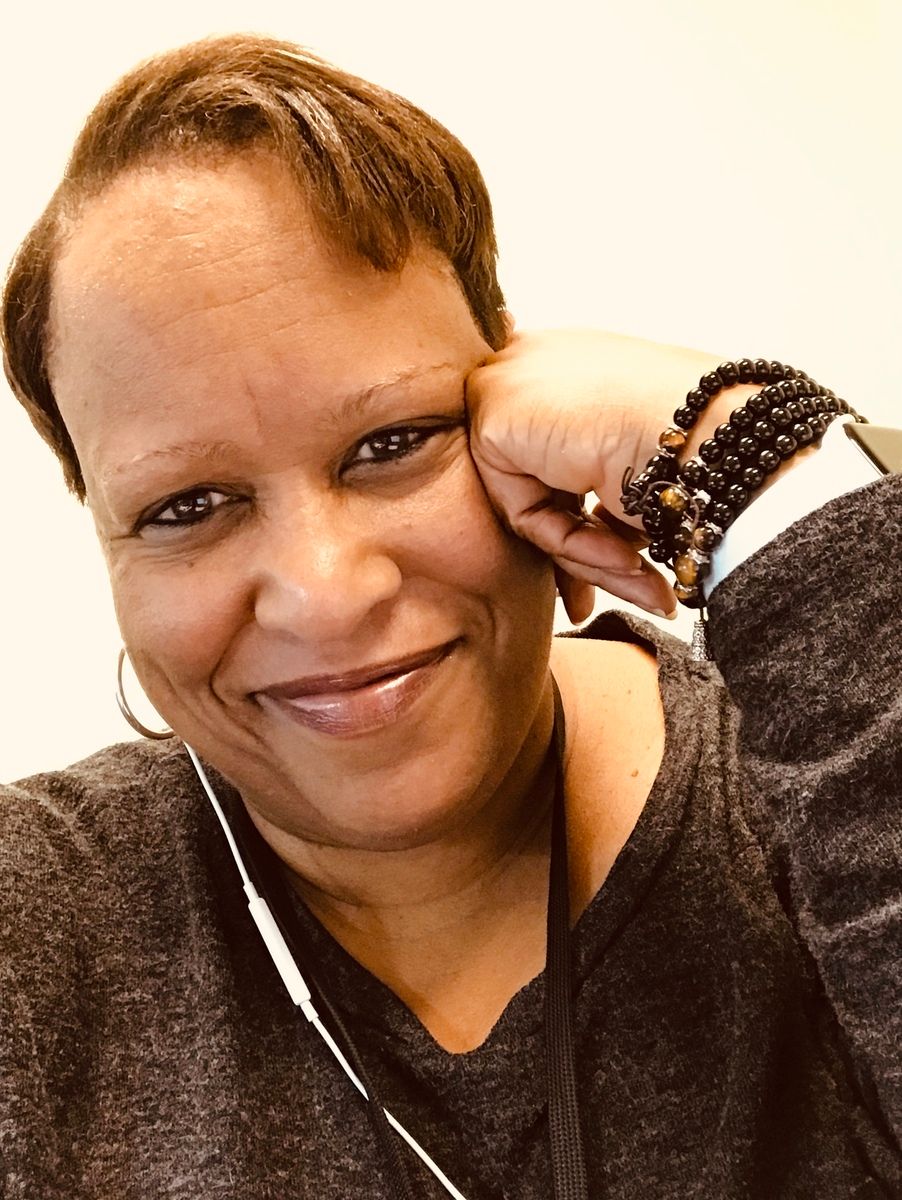

What’s up, fam?
One year ago, I started Refuel.

At the time, I didn’t know exactly where it would go. I only knew that caregivers needed honesty, practical tools, and encouragement. Caregiving is exhausting, isolating, and deeply meaningful all at once. There are days when you feel strong and days when you feel like you’re running on fumes.
That’s why I called it Refuel.
Over the last year, we’ve talked about everything from difficult conversations with aging parents to paperwork, nutrition, sleep, guilt, and the emotional weight of responsibility. These are not abstract ideas for me. They come from fifteen years of caregiving for my mother and from conversations with so many of you who are navigating the same road.
So today I just want to say something simple.
Thank you.
Thank you for reading, sharing, and allowing this small corner of the internet to grow into a place where caregivers can breathe for a moment.
And we’re just getting started.

A New Step for the Refuel Community
Over the next few months, I will be launching a Refuel community on SKOOL (S-K-O-O-L).
The goal is simple:
A place where caregivers can connect, ask questions, and share resources without feeling alone.
Inside the community, we’ll talk about things like:
• navigating long-term care decisions
• preparing legal documents
• managing stress and burnout
• financial planning for aging parents
• spiritual and emotional resilience
Caregiving is often a team effort—but many people feel like they’re doing it alone.
The SKOOL community will give us a place to learn from each other in real time.
So keep an eye out for that announcement soon.

The Other Caregiving Story: When You Are the One Who Lives Alone
Most conversations about caregiving focus on caring for our parents.
But there’s another side to the story that we don’t talk about enough.
What happens when you live alone and eventually need care?
For millions of adults, this is becoming one of the most important questions of our time.
Some people never marry.
Some lose spouses.
Some simply prefer independent lives.
But independence also raises a very real challenge:
Who advocates for you if something happens?

The Quiet Reality of Solo Aging
More Americans are aging without a built-in support system than ever before.
When you live alone, long-term care planning becomes even more important.
Questions start to look different:
• Who would make medical decisions if I couldn’t?
• Who would manage my finances if I became ill?
• Who checks on me if something goes wrong?
• Who knows where my documents are?
These are not easy questions.
But ignoring them doesn’t make them disappear.

Self-Care Isn’t Just Spa Days
When people hear “self-care,” they often think of things like:
• rest
• exercise
• meditation
• good food
All of those things matter.
But long-term self-care also includes planning for your future self.
That might mean:
• creating a medical power of attorney
• establishing a financial power of attorney
• writing a will or trust
• organizing your important documents
• identifying a trusted person who could step in if needed
These decisions are not about fear.
They’re about dignity and control.
Independence Requires Preparation
One lesson caregiving teaches us is that life can change very quickly.
A fall.
An illness.
A hospital stay.
Suddenly, decisions must be made.
The more preparation you’ve done ahead of time, the easier those moments become—for you and for the people who care about you.
Planning is not pessimistic.
It’s wise.
None of us knows the future, so why leave everything up to chance?
Refuel’s Mission Going Forward
As Refuel enters its second year, I want to expand our conversations even further.
We will continue talking about:
• caregiving for parents
• emotional resilience
• nutrition and metabolic health
• the hidden struggles caregivers face
But we’ll also talk about something equally important:
How we take care of ourselves as we age.
Because eventually, we are all both the caregiver and the one who may need care.

A Final Thought
Caregiving has made me a better person.
It was a tremendous sacrifice that I would do again.
I learned to build systems and manage a healthcare team while working full-time. And I managed to still maintain my friendships and have a deeply committed relationship with God.
That’s what Refuel is about.
Taking a moment to breathe.
Refilling the tank.
And moving forward with wisdom.
Thank you for being part of this journey.
Year two begins now.
love you.
judith

Support our newsletter and by some merch :-)
